The Next Workplace 2024: how to make the return to the office work
Back to the office: good idea or not? In January 2024, Calle Sågbom, Danone and LVMH said: encourage, don't force, and let each organisation find its way.
To make the return to the office work, encourage rather than require: that was the conclusion of The Next Workplace 2024. An imposed return puts teams on the defensive, whereas an office that gives people good reasons to come brings them back, with each organisation then finding its own balance according to its culture, its roles and its sites.
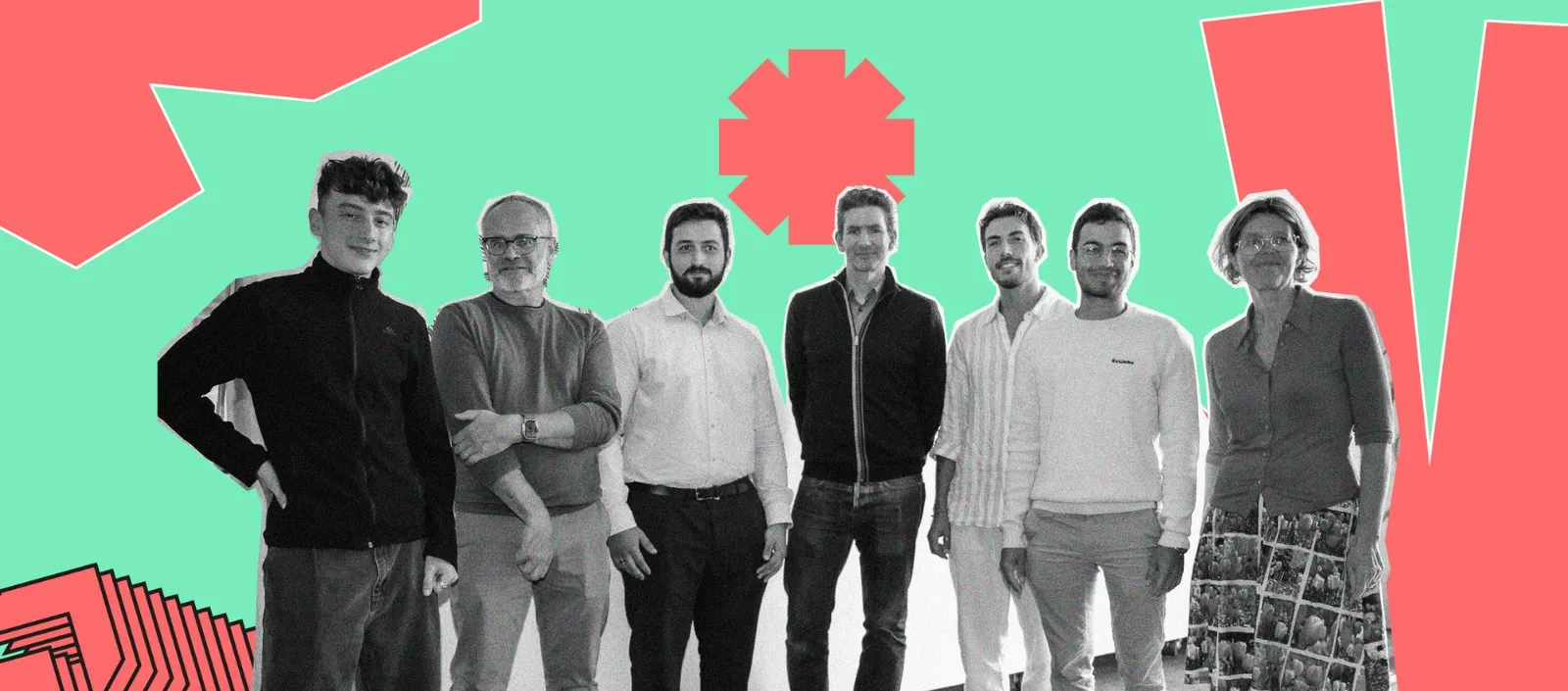
The Next Workplace is a collective of innovative workplace startups, of which Osol is one of the founding members. Its aim: to organise moments of exchange on every aspect of the future of work. In 2022, 400 experts gathered for a day that broke the mould, with candid first-hand accounts from BlaBlaCar, Ubisoft, Decathlon Technology and many others.
The second edition took place on 23 January 2024 at Le Wagon in Paris, organised by Rzilient, Slean, Osol, Bureaulogie, Ubiq and Café. The evening focused on the subject driving the whole ecosystem: the return to the office, or RTO (Return to the Office). Two sessions were meant to help the workplace directors, workplace managers, real estate directors, facilities managers and IT directors in the room: a talk by Calle Sågbom, followed by a debate between the workplace directors of Danone and LVMH.
An imposed return to the office is counterproductive
Calle Sågbom is a Finn based in Paris and a workplace expert. After working at CBRE and Cisco, he is now an independent Workplace Advisor. In his view, pressure from leadership for a return to the office is counterproductive. He recommends encouraging rather than requiring, and making the transition to hybrid a flexible process.
RTO should not be an end in itself, but part of a long-term flexible working strategy. That means experimenting and understanding employees' real reasons for coming to the office.
Cisco shows what a successful strategy looks like: by lowering its mandatory attendance rate to 20%, the company created an environment where employees choose how they work, which encourages more natural and more productive collaboration.
Recreating the pre-Covid office does not work
Some companies are trying to recreate the pre-Covid workplace without taking into account the deep changes in employees' expectations. The result: extra obstacles and lower motivation. Needs have changed, and spaces must follow.
Motivation comes from meaning, not perks
Calle Sågbom stresses intrinsic motivation, such as personal satisfaction and professional development, as opposed to external motivators such as salary or perks. BlaBlaCar, with 30% of its staff working fully remotely, has reworked its processes to integrate remote work effectively, and has kept a high level of engagement and satisfaction.
The other key is transparent communication. Leaders must be open to employees' needs and expectations. Companies such as L'Oréal and Microsoft stand out for their ability to involve their teams in designing spaces and in defining ways of working.
LVMH and Danone: two cultures, one goal
Manuel Martins (Danone) and Franck Douau (LVMH), two workplace directors from different organisations, then debated on stage alongside Maxime Cousin and Mehdi Dziri. On one side, LVMH, known for its traditional approach and its excellence in hospitality, is exploring remote work with caution, in a culture where physical presence has always mattered. On the other, Danone, known for its commitment to flexibility and social innovation, has a more open policy. Their goal is the same: to reconcile productivity and team wellbeing, taking into account the realities of each group's business and its values.
At LVMH, an agreement provides for 2 days of remote work per week. In practice, teams are so used to the office that they tend to work one day from home. Franck Douau sees the workplace as a place for creativity and innovation, which must respect both individual needs and the group's requirements.
At Danone, 2 days of remote work per week existed before the pandemic, but they were rarely used, because the offices support wellbeing from the start of the day to the end. With Covid, remote work became widespread, and leaders found that it affected neither productivity nor efficiency. It can even serve other goals, notably environmental and financial ones.
Danone went further with a one-year experiment, the Danpact: going back to the team level, and leaving managers free to grant more days of remote work. For Manuel Martins, this is a real change, and it shows how important it is to involve employees. He agrees with Calle Sågbom: he believes “strongly in collaboration, because we are stronger when we create with the teams”.
What makes people want to come to the office?
For Franck Douau, three factors shape employees' relationship with remote work:
- What leaders set in motion: this reaches the executive committee, the managers, then every employee.
- The set-up at home: a well-equipped employee will be more inclined to stay at home than one working from the sofa.
- Location: an office on a transport hub makes life easier.
Manuel Martins agrees on all three points and adds meaning. It matters more when the employee is carried by a clear company policy, one that knows where it is going, and when they feel committed to the venture.
The office borrows from hospitality
Danone offers a “considered” flex office, meaning one designed together with the teams. At LVMH, assigned offices and open spaces are allocated according to how each department works. The spaces need constant fine-tuning, but will probably not see a revolution. The two speakers do agree, however, on the importance of services.
For Franck Douau, you have to put yourself in the employee's shoes to make their life easier, drawing on the codes of hospitality. LVMH is working on “the art of welcoming” guests, employees and anyone who enters its offices: dedicated house managers are responsible for making everyone welcome.
Manuel Martins insists on differentiation: if a guest who has lunch at Danone's restaurant has the same experience at LVMH, that is of no interest. You have to find ways to stand out in every area, food included.
Franck Douau also highlights the role of the smartphone, which has transformed the workplace. Employees use it every day and see little reason not to use it at the office: everything can be managed from their phone. For him, tools in general help to keep improving the balance between private and professional life.
Data is only useful if you know how to analyse it
As with spaces, services must be monitored so they can adapt. Two problems arise: too much data, and the ability to analyse it. According to Manuel Martins, “a good organisation should catch 70% of things before they are noticed”. For the rest, you have to commit to a response time: anything related to safety must be resolved in under 30 minutes, anything related to comfort in under 2 hours.
Franck Douau insists on the need to define what you expect from data: agree up front on who the reports are for, and list the data each of them needs. Doctolib, for example, has brought a data analyst into its Workplace team, alongside Anis Sebbah, who gave us an interview at Workplace Meetings.
The key takeaways
The debate between Franck Douau and Manuel Martins quickly made it clear: there is no single right strategy. What matters is method, to find the right balance between employee wellbeing and company performance, and listening, to anticipate change. Getting workplace, HR and IT to work together helps take into account the needs of employees and teams, and the realities of the organisation. With an employee-centred approach, transparent communication and well-used data, the return to the office becomes an opportunity rather than a challenge.
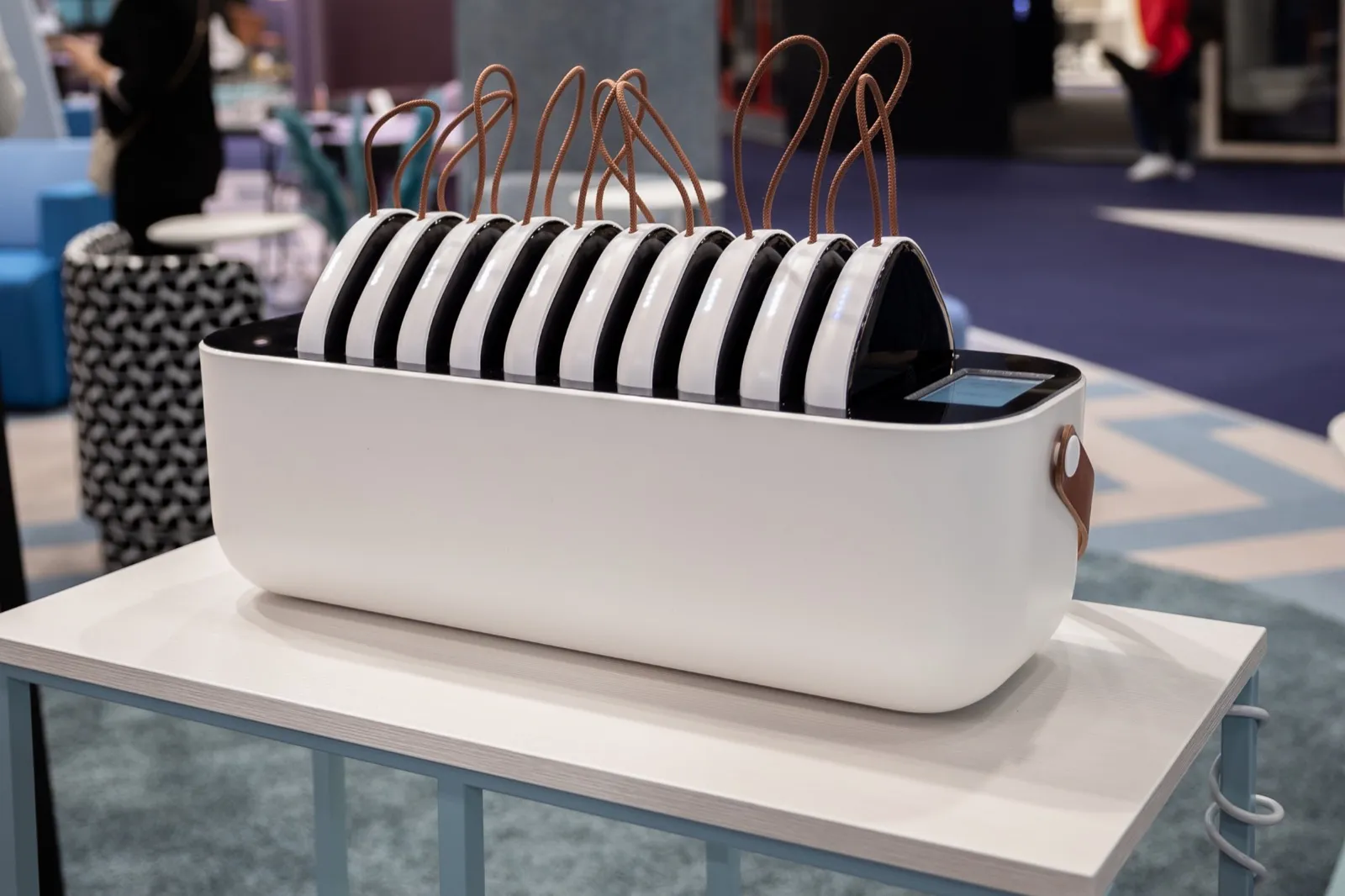
Thank you to Le Wagon Paris for hosting us, and to the speakers and attendees of this second edition. The first edition of The Next Workplace had already reached the same conclusion: the office must give people a reason to come. And an office that attracts people is also an office where every seat is usable, including for charging a laptop far from an outlet: that is the idea behind power flexibility.
Frequently asked questions
Should employees be required to return to the office?
According to the speakers at The Next Workplace 2024, no. An imposed return is counterproductive. It is better to understand why employees come in and to strengthen those reasons.
What is Danone's Danpact?
A one-year experiment presented during the debate: each manager can grant their team more days of remote work, instead of a single rule for everyone.
What makes employees come to the office?
According to Franck Douau and Manuel Martins: what leaders set in motion, the quality of the set-up at home, the location of the office and the meaning of the company's project.
Who spoke at The Next Workplace 2024?
Calle Sågbom, independent Workplace Advisor, followed by Manuel Martins and Franck Douau, workplace directors at Danone and LVMH.