Optimising your square metres: why, and how power has to follow
Less space, more uses per square metre: the bet of hybrid working. Why organisations optimise space, and why shared spaces need power that follows people.
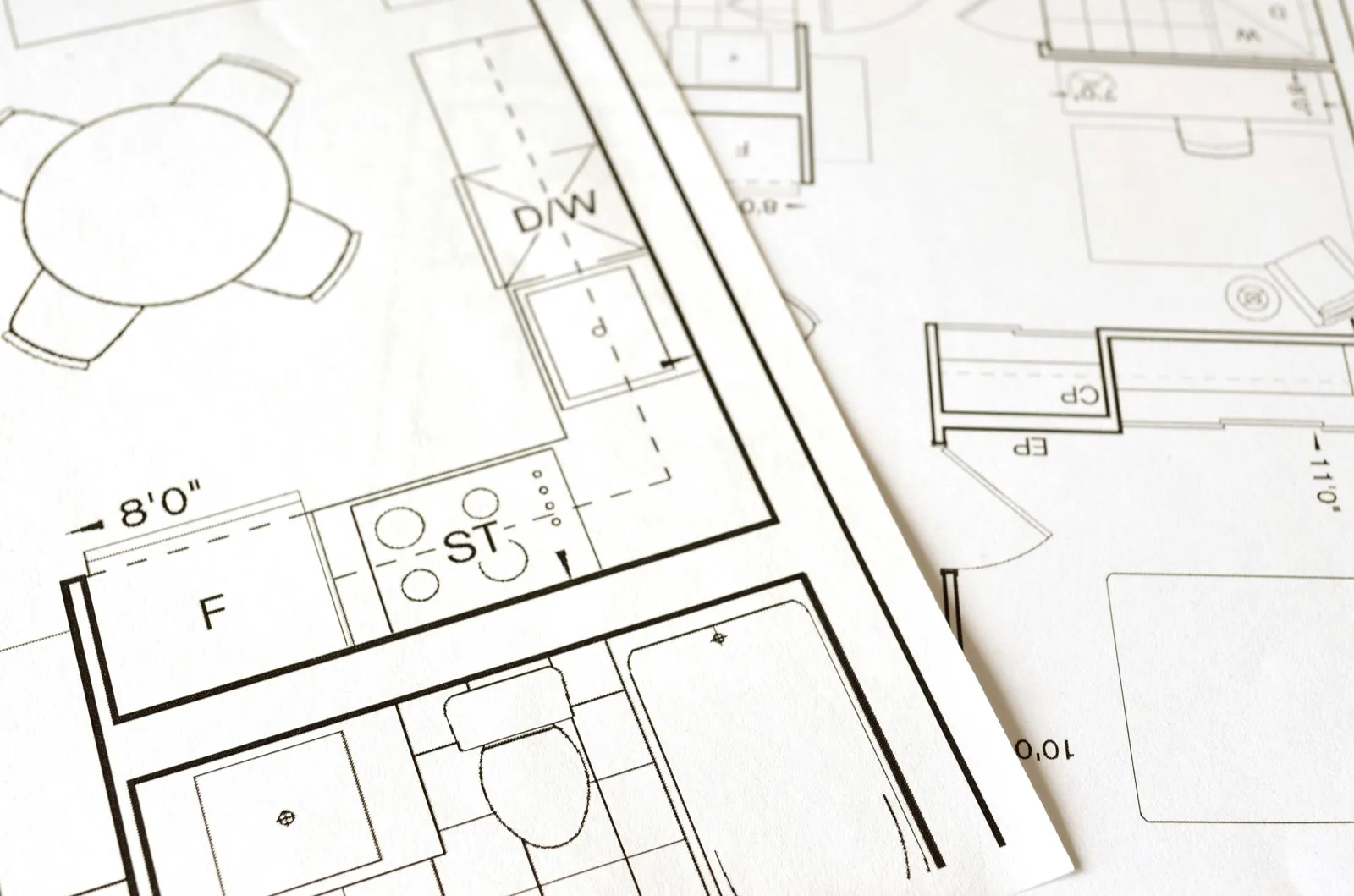
Optimising your square metres means making every square metre work for more people and more uses: less floor space overall, but more varied and better occupied spaces. Organisations do it for three well-known reasons (cost, hybrid working, carbon footprint), and often forget the fourth condition: shared spaces need power that follows people, not outlets fixed by the original plan.
The movement affects the private sector and large public administrations alike. The example of the European Commission shows this clearly.
The European Commission is sharply reducing its offices
The European Commission is one of the main office occupiers in Brussels. As early as 2021, it planned to leave almost half of its buildings and go from 780,000 m² to 580,000 m² by 2030, by bringing its departments together in the European Quarter and the North Quarter.
In 2023, the target grew again: the Commission announced its intention to reduce its office space by 20% more than planned by 2030. By then, it plans to vacate nearly 220,000 m² of additional office space, clearly more than anticipated. Including the executive agencies based in Brussels, the total reduction over the decade would reach 240,000 m².
Its reasons are those of most organisations:
- Hybrid working: some staff work remotely several days a week, and individual desks sit empty.
- Cost: in 2024, the budget allocated to its Brussels offices was expected to exceed €250 million, which is pushing the Commission to rationalise its spaces.
- Climate: the European Union is aiming for a 55% cut in its emissions by 2030 compared with 1990, and the Commission wants to set an example with more energy-efficient buildings.
The French public sector is following the same path. The space used by civil servants at the finance ministry in Bercy could also be reduced in the coming years. In cutting the space occupied by the administration by 25%, ministers Bruno Le Maire and Thomas Cazenave are drawing on lessons from the private sector, which are not so different from those of public-sector staff.
Because every square metre costs, twice
Rent, energy, maintenance: offices weigh heavily on an organisation's budget. Reducing floor space cuts all three at once.
But the cost is not only financial. Every square metre that is heated, lit and ventilated also has a carbon footprint. HSBC is a good example. Faced with the widespread shift to working from home after the Covid-19 pandemic, and as part of its sustainability targets, the group decided at the end of 2023 to reduce its office space worldwide by 40%, in line with stricter environmental policies.
To achieve this, HSBC chose to leave its iconic Canary Wharf headquarters for a refurbished office complex, Panorama St Paul's. The new site offers around 556,000 square feet, roughly half the size of the tower it had occupied until then.
Because hybrid working has changed how the office is used
Employees no longer come to the office to do what they can do just as well at home. They come to see each other, work in groups, train and meet clients.
The figures at the time confirmed it. In a panel of 100 decision-makers (executives, workplace directors or HR directors), 51% of desks were unassigned because they were classified as flex office, and one in two refurbishment projects led to a move to this model (Yemanja, “Bureau, l'âge de raison”, 2023).
The individual desk is in retreat, and collaborative spaces, meeting rooms and informal spaces are taking its place. Optimising your square metres is therefore mostly about redistributing space towards these new uses.
Because environmental footprint follows floor space
Fewer square metres per person generally means less energy used for heating, cooling and lighting. For a company, it is a direct lever on its climate targets, and an argument with candidates: according to IFOP (March 2024), in the private sector alone, 80% of employees believe CSR is a priority issue for employers to address.
What optimising space changes for power
This is the blind spot of most projects. An electrical plan is drawn up for a fixed organisation: an assigned desk, a few floor boxes, and everyone plugged in at the same place all day.
Optimising your square metres does exactly the opposite:
- More people per square metre, who never sit in the same place two days running.
- More spaces without outlets: sofas, work cafés, modular rooms, terraces.
- Layouts that change as usage evolves, while the outlets stay where they were cast into the floor.
The result: seats near a wall are taken first, spaces without outlets empty as soon as laptop batteries run low, and every reconfiguration starts with electrical work. Square metres have been gained on paper, but some of them remain poorly used.
How can power follow employees?
There are two answers. The first is to add outlets wherever you think people will settle: construction work, cables, and a plan to redo at the next reconfiguration. We compare these options in our article on floor boxes, table power modules (top access) and batteries.
The second is to make power mobile, just as Wi-Fi made the network mobile: this is what we call power flexibility. A mobile power network makes shared batteries available to employees, who take them when they arrive and return them when they leave.
This is what Osol does. Bases plug into a standard outlet, with no construction work, and each Pico lasts a full working day. The platform also shows usage by space, which helps you see which square metres are really working.
Key takeaways
Optimising space is not a universal solution, but it meets both the organisation's constraints and employees' new expectations. It only delivers on its promises if the spaces it creates are genuinely usable, including when someone needs to charge their laptop.
Frequently asked questions
Why are companies reducing their office space?
For three main reasons: the cost of each square metre, hybrid working, which leaves some individual desks empty, and the wish to reduce their carbon footprint.
Is optimising your square metres only about reducing floor space?
No. It is mostly about redistributing space towards the uses that matter in the office: collaboration, meetings, informal spaces, training.
What is the link between optimising space and power?
More shared and more varied spaces make the original electrical plan unsuitable. Without mobile power, some of the new spaces stay empty for lack of an outlet.
Do you need to redo the electrical installation after a reconfiguration?
Not necessarily. A mobile power network brings power to where employees work, without touching the electrical plan.